
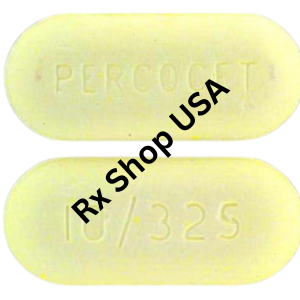
Percocet 10/325
Percocet is prescribed to relieve significant pain when other treatments aren’t sufficient. Discover how it’s used safely and effectively with a doctor’s guidance.
- Estimated Delivery : Up to 4 business days
- Free Shipping & Returns : On all orders over $200
Percocet – Uses, Dosage, and Safety Information
What is Percocet?
Percocet is a prescription medication that contains oxycodone and acetaminophen. It is used to treat moderate to severe pain, such as post-surgical pain, injury-related pain, or chronic conditions. Percocet works by changing the way your brain and nervous system perceive pain.
Uses of Percocet
-
Relief of moderate to severe pain
-
Post-surgery pain management
-
Pain due to injuries or musculoskeletal conditions
-
Chronic pain under medical supervision
Note: Percocet is a controlled substance and should only be used under a doctor’s prescription due to the risk of dependence and abuse.
Dosage Information
Percocet comes in various strengths, typically ranging from 2.5/325 mg to 10/325 mg (oxycodone/acetaminophen). Dosage is determined by your doctor based on:
-
Pain severity
-
Age and weight
-
Overall health condition
Typical adult dose:
-
1 tablet every 6 hours as needed for pain
Important: Do not exceed the prescribed dose. Overuse may lead to addiction, liver damage (from acetaminophen), or overdose.
How Percocet Works
-
Oxycodone: Binds to opioid receptors in the brain to reduce pain perception
-
Acetaminophen: Enhances pain relief and reduces fever
The combination provides effective pain management for moderate to severe conditions.
Side Effects
Common side effects:
-
Drowsiness or dizziness
-
Nausea and vomiting
-
Constipation
-
Headache
Serious side effects (seek immediate medical attention):
-
Difficulty breathing
-
Severe allergic reactions
-
Extreme drowsiness or confusion
Precautions and Interactions
-
Avoid alcohol while taking Percocet
-
Do not combine with other opioids, sedatives, or benzodiazepines unless prescribed
-
Inform your doctor of liver or kidney problems
-
Pregnant or breastfeeding women should consult their doctor
Storage Instructions
-
Store at room temperature, away from heat and moisture
-
Keep out of reach of children
-
Do not share your medication
Call to Action (CTA)
If you are experiencing moderate to severe pain, consult your doctor today to see if Percocet is suitable for you. For trusted prescription guidance and safe pharmacy support, visit RXShopUSA.com.
| Percocet Quantity | 90 Count, 180 Count |
|---|---|
| Mail service | Priority mail, Ground advantage |
Be the first to review “Percocet 10/325”
Dosage
Percocet Dosage Guide – Rx Shop USA
Percocet is a prescription pain medication that combines oxycodone (an opioid) and acetaminophen (a non-opioid pain reliever). It is commonly prescribed for moderate to severe pain, including post-surgical pain, injury-related pain, or chronic conditions as deemed appropriate by a healthcare provider.
At Rx Shop USA, we emphasize safe and responsible use, as incorrect dosage can lead to serious side effects, including dependency, overdose, and liver damage.
Standard Percocet Dosage for Adults
-
Percocet tablets are available in multiple strengths, typically containing 2.5 mg, 5 mg, 7.5 mg, or 10 mg of oxycodone combined with 325 mg or 500 mg of acetaminophen.
-
The usual adult dose is 1 tablet every 6 hours as needed for pain.
-
Maximum daily acetaminophen intake should not exceed 4,000 mg, as exceeding this can cause severe liver damage.
-
Maximum daily oxycodone dose depends on your prescription and individual tolerance; it should always be guided by a healthcare professional.
⚠️ Percocet is intended for short-term use unless otherwise directed by a physician. Prolonged use increases the risk of opioid dependence.
Important Administration Guidelines
-
Take Percocet orally with water, preferably after a meal to reduce stomach upset.
-
Do not crush, chew, or break extended-release formulations.
-
Follow your physician’s instructions exactly; do not take extra doses to compensate for missed ones.
-
Avoid alcohol or other CNS depressants while taking Percocet, as this can increase sedation, respiratory depression, or overdose risk.
-
If you miss a dose, take it as soon as you remember unless it is close to your next scheduled dose.
Adjustments for Special Populations
-
Elderly patients: May require lower doses due to increased sensitivity to opioid effects.
-
Patients with liver or kidney disease: Dosing must be adjusted carefully to prevent toxicity.
-
Pregnant or breastfeeding women: Must only use under strict medical supervision due to potential effects on the fetus or infant.
Risks of Overdose
Excessive use of Percocet can result in:
-
Severe drowsiness or sedation
-
Respiratory depression (slowed breathing)
-
Low blood pressure
-
Confusion or dizziness
-
Liver damage (due to acetaminophen)
In the event of suspected overdose, seek immediate medical attention.
Safety Tips from Rx Shop USA
-
Only use Percocet with a valid prescription from a licensed healthcare provider.
-
Store the medication securely, out of reach of children or anyone who may misuse it.
-
Never share your medication with others; it is illegal and dangerous.
-
Report any unusual side effects to your physician immediately.
Comparison
Percocet Comparison – Rx Shop USA
Percocet (oxycodone + acetaminophen) is one of the most commonly prescribed medications for moderate to severe pain. At Rx Shop USA, we aim to help our customers make informed decisions by comparing Percocet with other popular opioid pain relievers.
1. Percocet vs. OxyContin (Oxycodone ER)
| Feature | Percocet | OxyContin |
|---|---|---|
| Composition | Oxycodone + Acetaminophen | Extended-release oxycodone |
| Use | Short-term moderate to severe pain | Chronic pain requiring long-term management |
| Dosage Frequency | Every 6 hours as needed | Every 12 hours, extended-release |
| Onset of Action | Fast (30–60 minutes) | Slower (1 hour), longer duration |
| Dependence Risk | High (opioid) | High (opioid, extended-release can increase risk) |
| Acetaminophen Content | Yes, limits total daily dose | No |
Summary: Percocet is preferred for short-term pain relief with acetaminophen added, while OxyContin is used for long-term chronic pain and does not contain acetaminophen.
2. Percocet vs. Vicodin (Hydrocodone + Acetaminophen)
| Feature | Percocet | Vicodin |
|---|---|---|
| Composition | Oxycodone + Acetaminophen | Hydrocodone + Acetaminophen |
| Potency | Stronger opioid effect | Mild to moderate opioid effect |
| Use | Moderate to severe pain | Mild to moderate pain |
| Dosage Frequency | Every 6 hours as needed | Every 4–6 hours as needed |
| Acetaminophen Content | Yes | Yes |
| Dependence Risk | High | High, but slightly less potent |
Summary: Both combine an opioid with acetaminophen, but Percocet is typically stronger and reserved for more severe pain, while Vicodin is used for mild to moderate pain.
3. Percocet vs. Tylenol #3 (Codeine + Acetaminophen)
| Feature | Percocet | Tylenol #3 |
|---|---|---|
| Composition | Oxycodone + Acetaminophen | Codeine + Acetaminophen |
| Use | Moderate to severe pain | Mild to moderate pain |
| Potency | Higher (oxycodone stronger than codeine) | Lower (codeine less potent) |
| Dosage Frequency | Every 6 hours as needed | Every 4–6 hours as needed |
| Dependence Risk | High | Moderate |
Summary: Percocet is significantly stronger than Tylenol #3 and is better suited for more intense pain. Tylenol #3 is commonly used when less potent opioids are sufficient.
Key Takeaways – Rx Shop USA
-
Percocet is a fast-acting opioid with acetaminophen, suitable for short-term relief of moderate to severe pain.
-
OxyContin is for long-term, chronic pain management and is extended-release.
-
Vicodin and Tylenol #3 are less potent alternatives, mainly for mild to moderate pain.
-
Choosing the right medication depends on pain severity, duration, and medical guidance.
-
At Rx Shop USA, we ensure all opioid prescriptions are verified, legal, and safe for U.S. customers.
FAQs
Percocet (Oxycodone + Acetaminophen) FAQs – Rx Shop USA
1. What is Percocet used for?
Percocet is a prescription pain medication used for moderate to severe pain, including post-surgical pain, injury-related pain, or chronic conditions as directed by a healthcare provider. It combines oxycodone, an opioid pain reliever, with acetaminophen, which enhances pain relief.
2. Is Percocet legal in the United States?
Yes, Percocet is legal in the U.S. when prescribed by a licensed healthcare provider. It is classified as a Schedule II controlled substance, meaning it has accepted medical uses but carries a high risk of abuse and dependence. Using Percocet without a prescription is illegal.
3. What is the standard Percocet dosage?
-
Typical adult dosage: 1 tablet every 6 hours as needed for pain.
-
Tablet strengths vary (2.5 mg, 5 mg, 7.5 mg, or 10 mg of oxycodone combined with 325–500 mg of acetaminophen).
-
Maximum acetaminophen per day: 4,000 mg
-
Maximum oxycodone per day: as prescribed by your doctor, based on your pain level and tolerance.
⚠️ Always follow your healthcare provider’s instructions. Do not exceed the recommended dose.
4. Can Percocet be taken long-term?
Percocet is generally prescribed for short-term pain relief. Long-term use can lead to tolerance, dependence, and opioid use disorder. Your doctor may adjust the dosage or suggest alternative treatments if long-term pain management is needed.
5. Can I take Percocet with other medications?
Percocet can interact with alcohol, sedatives, muscle relaxants, or other opioids, which may increase sedation, respiratory depression, or overdose risk. Always inform your doctor about all medications and supplements before starting Percocet.
6. What are common side effects of Percocet?
Common side effects include:
-
Drowsiness or fatigue
-
Nausea or vomiting
-
Dizziness
-
Constipation
-
Lightheadedness
Seek medical attention immediately if you experience slow breathing, severe confusion, or allergic reactions.
7. Is Percocet addictive?
Yes, Percocet carries a high risk of dependence and addiction because it contains oxycodone, a strong opioid. Misuse, overuse, or prolonged use can result in physical or psychological dependence. Always use Percocet exactly as prescribed.
8. How should I store Percocet?
-
Keep in a secure, dry place, out of reach of children or anyone who might misuse it.
-
Store in the original prescription container.
-
Never share your medication; it is illegal and potentially dangerous.
9. Can I drive while taking Percocet?
Percocet can cause drowsiness, dizziness, and impaired judgment. Avoid driving or operating heavy machinery until you know how the medication affects you.
10. Where can I get Percocet safely?
At Rx Shop USA, Percocet is dispensed legally and safely with a valid prescription from a licensed U.S. healthcare provider. We verify all prescriptions and provide guidance on safe and responsible use.
Legality
Percocet Legality in the United States – Rx Shop USA
Percocet, which contains oxycodone and acetaminophen, is a prescription-only opioid medication used for moderate to severe pain. Due to its opioid component, it is classified as a Schedule II controlled substance under the U.S. Controlled Substances Act (CSA). Understanding its legal status is essential for patients and pharmacies.
At Rx Shop USA, we prioritize patient safety and full legal compliance, ensuring that Percocet is only dispensed in accordance with U.S. law.
Federal Legal Status
-
Percocet is a Schedule II controlled substance, meaning it has accepted medical uses but high potential for abuse and dependence.
-
Possession, use, or distribution without a valid prescription from a licensed healthcare provider is illegal.
-
Prescriptions must meet DEA regulations, including proper labeling, dosage instructions, and patient information.
Who Can Legally Prescribe Percocet?
-
Only licensed physicians or healthcare providers registered with the DEA can prescribe Percocet.
-
Prescriptions must be for a legitimate medical need, such as acute post-surgical pain, injury, or certain chronic conditions.
-
Pharmacies like Rx Shop USA are legally required to verify prescriptions and dispense Percocet according to federal and state regulations.
Illegal Uses of Percocet
Percocet is considered illegal if it is:
-
Possessed without a valid prescription
-
Purchased from unlicensed online sources
-
Sold, shared, or distributed to another person
-
Obtained with a forged or altered prescription
Violating federal or state law can result in criminal charges, fines, or imprisonment.
Risks of Misuse
Because Percocet contains oxycodone, misuse can lead to:
-
Opioid addiction or dependence
-
Respiratory depression or overdose
-
Severe liver damage from excessive acetaminophen
-
Legal consequences if obtained or used illegally
Safe and Legal Access at Rx Shop USA
At Rx Shop USA, all Percocet prescriptions are handled according to strict legal guidelines:
-
Prescription verification to confirm authenticity
-
Dispensing only to patients with a legitimate medical need
-
Compliance with federal and state controlled-substance laws
-
Providing guidance on safe usage, dosage, and storage
By following these rules, Rx Shop USA ensures that customers receive Percocet safely and legally.
Bottom Line
Percocet is legal in the U.S. only when prescribed and dispensed properly. It is illegal to possess, sell, or distribute without a valid prescription. Patients should always obtain Percocet through a licensed pharmacy like Rx Shop USA, under the guidance of a healthcare professional.
Related products
-
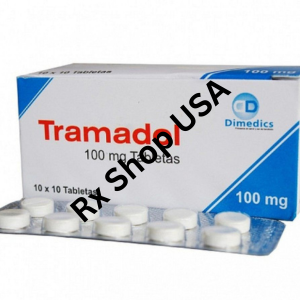
Trakem (Tramadol 100 mg)
Price range: $369 through $999 -
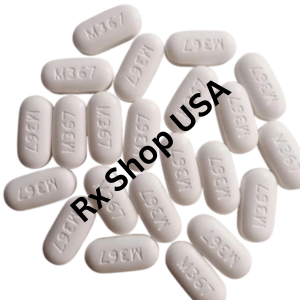
Hydrocodone M367
Price range: $470 through $950 -
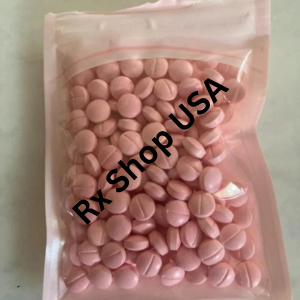
Citra 100 mg (Ultram)
Price range: $469 through $899 -
Tapentadol 100 mg
Price range: $399 through $1,099 -
OxyContin 30 mg
Price range: $470 through $950
Reviews
There are no reviews yet.