
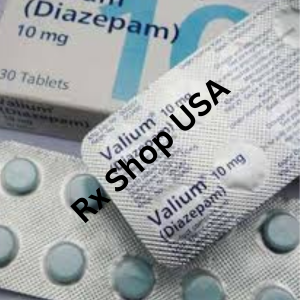
Diazepam European 10 mg
- Estimated Delivery : Up to 4 business days
- Free Shipping & Returns : On all orders over $200
Everything You Need to Know About Diazepam 10 mg: Uses, Dosage, and Side Effects
Introduction
Diazepam, commonly known by its brand name Valium, is a benzodiazepine medication widely prescribed for managing anxiety, muscle spasms, and other medical conditions. Diazepam 10 mg is a popular dosage used for effective relief. It works by affecting the central nervous system (CNS), helping to calm the brain and nerves. If you’re considering Diazepam 10 mg for your treatment or just curious about how it works, this article provides a comprehensive guide to its uses, dosage guidelines, and side effects.
What is Diazepam?
Diazepam is part of the benzodiazepine class of drugs, which are typically prescribed for their calming and anti-anxiety effects. Diazepam 10 mg is often used in the treatment of anxiety disorders, muscle spasms, and seizure disorders.
When taken, Diazepam works by enhancing the effects of a neurotransmitter called GABA (gamma-aminobutyric acid) in the brain. GABA has an inhibitory effect on the central nervous system, helping to reduce feelings of anxiety, promote muscle relaxation, and prevent seizure activity.
Common Uses of Diazepam 10 mg | Rx Shop USA
1. Anxiety Treatment
Diazepam 10 mg is often prescribed to individuals suffering from generalized anxiety disorder (GAD) or panic attacks. It helps by reducing the feelings of nervousness, restlessness, and overwhelming stress. It is usually prescribed for short-term use due to the potential for dependence or tolerance with long-term use.
2. Muscle Relaxation
Diazepam is also effective in treating muscle spasms and spasticity. It relaxes the muscles and reduces pain and stiffness associated with conditions such as muscle injuries, fibromyalgia, and spinal cord injuries.
3. Seizure Control
Diazepam is commonly used in emergency situations to control seizures. It can be administered intravenously or rectally to stop prolonged or cluster seizures. Diazepam 10 mg is also sometimes used in the treatment of epilepsy as part of long-term seizure management.
4. Alcohol Withdrawal
Diazepam is sometimes prescribed to help with alcohol withdrawal symptoms, such as anxiety, tremors, and agitation. It can help ease the discomfort and reduce the risk of severe complications, like seizures, during withdrawal.
How to Take Diazepam 10 mg Safely
It’s essential to follow your healthcare provider’s instructions carefully when taking Diazepam 10 mg. Here are some general guidelines:
Dosage
-
For Anxiety: The typical starting dose for anxiety in adults is 2 mg to 10 mg, taken 2 to 4 times per day, depending on your doctor’s recommendation.
-
For Muscle Spasms: The dosage for muscle spasms usually starts at 2 mg to 10 mg and can be increased as needed.
-
For Seizures or Withdrawal: Your doctor will determine the exact dosage, as this can vary based on your condition and response to the medication.
Note: Dosage may vary based on individual needs, and Diazepam should not be taken for more than a few weeks at a time unless under direct medical supervision.
Precautions
-
Avoid Alcohol: Drinking alcohol while taking Diazepam can increase drowsiness and may lead to dangerous side effects like difficulty breathing or loss of consciousness.
-
Pregnancy and Breastfeeding: Diazepam 10 mg is generally not recommended during pregnancy unless absolutely necessary. It can pass through breast milk, so consult your healthcare provider if you’re breastfeeding.
-
Interactions: Diazepam may interact with other medications, especially those that affect the CNS (e.g., pain medications, antidepressants, or other sedatives). Always inform your doctor about any other drugs you’re taking.
Side Effects of Diazepam 10 mg
As with any medication, Diazepam 10 mg may cause side effects, although not everyone will experience them. Here are the most common and serious ones to be aware of:
Common Side Effects
-
Drowsiness or Sedation: Since Diazepam is a sedative, drowsiness is one of the most common side effects, especially when starting treatment.
-
Dizziness: Some users may feel lightheaded or dizzy after taking Diazepam.
-
Muscle Weakness: Because it has muscle-relaxing properties, Diazepam may cause weakness or a lack of coordination.
-
Headache: Mild headaches are another common side effect of Diazepam.
Serious Side Effects
While rare, there are more severe side effects that should be addressed immediately:
-
Respiratory Depression: If you experience slow or shallow breathing, seek emergency medical help immediately.
-
Severe Drowsiness: If drowsiness becomes extreme or you have difficulty staying awake, this may be a sign of overdose.
-
Confusion or Memory Problems: Some people may experience memory issues or confusion, especially with long-term use.
-
Allergic Reactions: Although uncommon, serious allergic reactions to Diazepam can include swelling, rashes, and trouble breathing.
If you experience any of these serious side effects, contact your healthcare provider immediately.
Benefits of Diazepam 10 mg
-
Fast-Acting: One of the main benefits of Diazepam is how quickly it works to relieve symptoms of anxiety, muscle spasms, and seizures. You’ll often feel the calming effects within 30 minutes to 1 hour of taking the medication.
-
Effective for Multiple Conditions: Unlike some other medications, Diazepam is useful for a range of conditions, from anxiety and muscle spasms to controlling seizures and managing alcohol withdrawal symptoms.
-
Long Half-Life: Diazepam has a relatively long half-life, which means it stays in your system longer, providing extended relief.
Alternatives to Diazepam
If you are considering Diazepam 10 mg or if it’s not a suitable option for you, there are other alternatives to explore, including:
-
Other Benzodiazepines: Medications like Alprazolam (Xanax), Lorazepam (Ativan), and Clonazepam (Klonopin) also treat anxiety and related disorders but may have different dosages, durations, and side effects.
-
Non-Benzodiazepine Options: Selective serotonin reuptake inhibitors (SSRIs) such as Escitalopram (Lexapro) or Sertraline (Zoloft) are often used for long-term anxiety management without the risk of dependency associated with benzodiazepines.
-
Physical Therapy: For muscle spasms, physical therapy, stretching exercises, or muscle relaxants like Cyclobenzaprine might be effective alternatives.
Conclusion
Diazepam 10 mg is a versatile medication used to treat a variety of conditions, including anxiety, muscle spasms, seizures, and alcohol withdrawal. While it can be highly effective, it’s important to use it cautiously and under medical supervision to avoid dependency and side effects. Always follow your healthcare provider’s instructions, and consult them if you have any concerns about your treatment.
Remember, Diazepam should only be used short-term, and there are alternatives available for long-term anxiety management and muscle relaxation.
Call to Action
If you’re considering Diazepam 10 mg or have been prescribed it, make sure to discuss your options with your healthcare provider. They can help you find the best treatment plan for your needs and ensure that you’re using the medication safely. If you experience any unusual symptoms while taking Diazepam, contact your doctor immediately.
| Martin Dow Quantity | 90 Count, 180 Count |
|---|---|
| Mail service | Priority mail, Ground advantage |
Be the first to review “Diazepam European 10 mg”
Dosage
Diazepam Dosage Guide (USA) | Rx Shop USA
Overview of Diazepam Dosage
Diazepam (brand name Valium) is a prescription medication used in the United States to treat:
-
Muscle spasms
-
Seizure disorders
-
Alcohol withdrawal symptoms
Diazepam belongs to the benzodiazepine class and works by calming overactive brain activity.
⚠️ Diazepam should always be taken exactly as prescribed by a licensed healthcare provider. Misuse can lead to dependence or serious side effects.
Diazepam Dosage Forms in the USA
Diazepam is available in tablet, oral solution, and injectable forms, with tablets commonly in:
-
2 mg
-
5 mg
-
10 mg
The dosage depends on the medical condition, patient age, and response to treatment.
Typical Diazepam Dosage by Condition
1. Anxiety
-
Starting dose: 2–5 mg, 2–4 times per day
-
Maximum recommended daily dose: 40 mg (divided doses)
2. Muscle Spasms
-
Typical dose: 2–10 mg, 3–4 times per day
3. Seizures
-
Initial dose: 2–10 mg, 2–4 times daily, depending on severity
4. Alcohol Withdrawal
-
Starting dose: 10 mg, 3–4 times daily for the first 24 hours
-
Gradually tapered over several days as advised by a physician
Rx Shop USA note: Dosages are individualized; these are general reference ranges only.
Diazepam Strength Chart (General Overview)
| Strength | Typical Use |
|---|---|
| 2 mg | Mild anxiety or starting dose |
| 5 mg | Moderate anxiety, muscle spasms, or seizure management |
| 10 mg | Severe anxiety, acute episodes, or alcohol withdrawal |
Elderly and Special Populations
-
Older adults are more sensitive to Diazepam and may require lower starting doses (often 2 mg once or twice daily)
-
Kidney or liver impairment may require dose adjustments
-
Diazepam use in children requires careful medical supervision
Key Safety Information – Diazepam Dosage
-
Do not exceed the prescribed dose
-
Avoid alcohol and sedatives while taking Diazepam
-
Long-term use may cause dependence and withdrawal symptoms
-
Follow tapering instructions carefully if discontinuing
Diazepam Dosage Summary – Rx Shop USA
-
Common strengths: 2 mg, 5 mg, 10 mg
-
Typical frequency: 1–4 times per day depending on condition
-
Formulation: Tablet, oral solution, injectable
-
Special considerations: Age, liver/kidney function, other medications
Diazepam should always be used under the guidance of a licensed healthcare provider in the USA.
Comparison
Diazepam Comparison Guide | Rx Shop USA
Overview
Diazepam (brand name Valium) is a benzodiazepine used to treat anxiety, muscle spasms, seizures, and alcohol withdrawal symptoms. In the United States, it is prescribed under strict medical supervision due to the risk of dependence and side effects.
This comparison guide helps understand how Diazepam differs from other benzodiazepines and similar medications in terms of strength, duration, onset, and use cases.
Diazepam vs Alprazolam (Valium vs Xanax)
| Feature | Diazepam (Valium) | Alprazolam (Xanax) |
|---|---|---|
| Main use | Anxiety, muscle spasms, seizures | Anxiety, panic disorder |
| Onset of action | 30–60 minutes | 15–30 minutes |
| Duration | Long-acting (up to 24 hours) | Short-acting (4–6 hours) |
| Typical dose | 2–10 mg, 1–4 times/day | 0.25–2 mg, 2–3 times/day |
| Dependence risk | Moderate | Moderate–high |
| Best for | Sustained relief, muscle relaxation | Rapid relief, acute anxiety |
Takeaway: Diazepam is better for long-lasting effects, while Alprazolam is preferred for rapid anxiety relief.
Diazepam vs Lorazepam (Valium vs Ativan)
| Feature | Diazepam | Lorazepam |
|---|---|---|
| Onset | 30–60 min | 20–30 min |
| Duration | Long (12–24 hrs) | Intermediate (6–8 hrs) |
| Use | Anxiety, muscle spasms, seizures | Anxiety, sedation, insomnia |
| Typical dose | 2–10 mg/day divided | 0.5–2 mg/day divided |
| Special notes | Can accumulate in elderly | Shorter half-life, safer in older adults |
Takeaway: Lorazepam is often chosen for short-term anxiety relief, while Diazepam is better for chronic management and muscle-related conditions.
Diazepam vs Clonazepam (Valium vs Klonopin)
| Feature | Diazepam | Clonazepam |
|---|---|---|
| Use | Anxiety, muscle spasms, seizures | Seizures, panic disorder |
| Onset | 30–60 min | 30–60 min |
| Duration | Long (12–24 hrs) | Long (12–24 hrs) |
| Dose | 2–10 mg 1–4 times/day | 0.25–2 mg 2–3 times/day |
| Dependence | Moderate | Moderate–high |
Takeaway: Both are long-acting benzodiazepines, but Clonazepam is preferred for seizure control and panic disorder, while Diazepam has broader uses including muscle relaxation.
Summary Table: Diazepam Comparison
| Comparison | Best Use | Onset | Duration |
|---|---|---|---|
| Diazepam vs Alprazolam | Long-lasting anxiety, muscle spasms | 30–60 min | Up to 24 hrs |
| Diazepam vs Lorazepam | Chronic anxiety, muscle issues | 30–60 min | 12–24 hrs |
| Diazepam vs Clonazepam | Muscle spasms, general anxiety | 30–60 min | 12–24 hrs |
Rx Shop USA note: The choice of benzodiazepine depends on condition, duration of action needed, and patient tolerance. Always follow a licensed healthcare provider’s prescription.
FAQs
Diazepam FAQs | Rx Shop USA
1. What is Diazepam used for?
Diazepam (brand name Valium) is a prescription medication used in the United States for:
-
Anxiety disorders
-
Muscle spasms
-
Seizures
-
Alcohol withdrawal symptoms
It belongs to the benzodiazepine class and works by calming overactive brain activity.
– Rx Shop USA
2. What are the common Diazepam dosages?
Diazepam tablets in the USA are commonly available in:
-
2 mg
-
5 mg
-
10 mg
Dosage varies depending on the condition, patient age, and response. For example:
-
Anxiety: 2–10 mg, 1–4 times daily
-
Muscle spasms: 2–10 mg, 3–4 times daily
-
Seizures: 2–10 mg, 2–4 times daily
Rx Shop USA note: Always follow your doctor’s instructions.
3. How long does Diazepam last?
-
Onset of action: 30–60 minutes
-
Duration of effect: 12–24 hours depending on dose and individual response
Long-acting properties make Diazepam suitable for sustained relief.
– Rx Shop USA
4. Is Diazepam addictive?
Yes. Diazepam is a Schedule IV controlled substance in the USA. Misuse, overuse, or long-term use may lead to dependence or withdrawal symptoms. It should always be taken under medical supervision.
– Rx Shop USA
5. Can Diazepam be taken with other medications?
Some medications may interact with Diazepam, including:
-
Alcohol
-
Sedatives or sleep medications
-
Other benzodiazepines
-
Certain antidepressants
Always inform your doctor about all medications and supplements you are taking.
– Rx Shop USA
6. Can Diazepam be used long-term?
Long-term use is possible but requires careful monitoring due to the risk of dependence, tolerance, and side effects. Doctors often prescribe the lowest effective dose for the shortest duration.
– Rx Shop USA
7. What are the side effects of Diazepam?
Common side effects:
-
Drowsiness
-
Dizziness
-
Fatigue
-
Blurred vision
-
Weakness
Serious side effects that require medical attention:
-
Slow or difficult breathing
-
Severe confusion
-
Fainting or loss of consciousness
– Rx Shop USA
8. Is Diazepam legal in the USA?
Yes. Diazepam is legal only with a valid prescription from a licensed healthcare provider. Possession or use without a prescription is illegal and subject to penalties.
– Rx Shop USA
9. How should Diazepam be stored?
-
Store in a cool, dry place away from sunlight
-
Keep out of reach of children and pets
-
Keep in the original labeled container
Proper storage helps maintain safety and effectiveness.
– Rx Shop USA
10. Can Diazepam be used for sleep?
Diazepam may cause drowsiness and help with short-term sleep problems in some cases, but it is not primarily prescribed for insomnia. Doctors may prefer other medications specifically for sleep.
– Rx Shop USA
Legality
Legality of Diazepam in the USA | Rx Shop USA
Related products
-
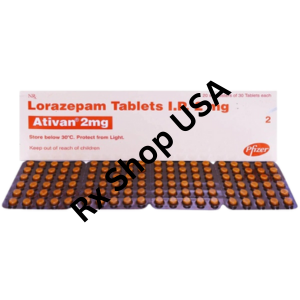
Lorazepam 2mg
Price range: $520 through $1,050 -
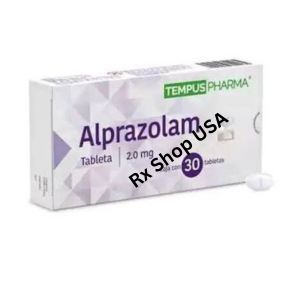
Alprazolam 2 mg (Xanax)
Price range: $469 through $1,059 -
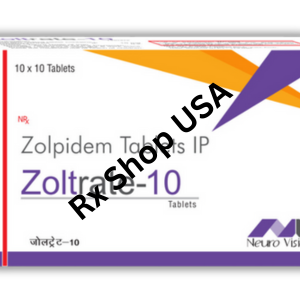
Zolpidem 10 mg
Price range: $500 through $1,000 -
Clonazepam 2 mg
Price range: $467 through $998 -
Lorazepam 1 mg
Price range: $499 through $999
Reviews
There are no reviews yet.