

Price range: $359.00 through $599.00
100% genuine product bottle packaging
Percocet: Uses, Side Effects, and Safety Information
At Rx Shop USA, we believe that reliable medication information helps readers understand prescription treatments and make informed decisions with their healthcare professionals. Percocet is a prescription medication that combines oxycodone, an opioid pain reliever, with acetaminophen, a medicine commonly used to relieve pain and reduce fever.
Healthcare professionals may prescribe this combination for certain types of pain when opioid treatment is considered medically appropriate. However, Percocet also carries significant risks, including drowsiness, respiratory depression, physical dependence, addiction, and potentially fatal overdose. Understanding its ingredients, possible side effects, and interactions is essential for anyone researching this medication.
This educational guide from Rx Shop USA explains how Percocet works, its medical uses, important safety considerations, and where to find reliable information about opioid medications.
What Is Percocet?
Percocet is a brand-name prescription medication containing two active ingredients: oxycodone and acetaminophen.
Oxycodone belongs to the opioid class of medicines. It acts on opioid receptors in the central nervous system to change how the body perceives and responds to pain. Acetaminophen provides additional pain-relieving effects through different mechanisms.
The combination requires particular care because each ingredient carries its own risks. Oxycodone can cause sedation, respiratory depression, and dependence, while excessive acetaminophen intake can cause serious liver injury.
In the United States, oxycodone-containing medications are controlled prescription drugs. Percocet must be prescribed and dispensed in accordance with applicable laws and professional requirements.
For more information, consult the MedlinePlus Oxycodone Combination Drug Information.
What Is Percocet Used For?
Percocet is prescribed for certain pain-management situations. Whether it is appropriate depends on the severity and cause of pain, the patient’s medical history, and the availability of alternative treatments.
Management of Pain
Healthcare professionals may consider oxycodone and acetaminophen together when pain requires an opioid and other treatment options have not provided adequate relief or are unsuitable.
Treatment decisions should be individualized. Depending on the diagnosis, non-opioid medicines, physical therapy, and other approaches may offer appropriate alternatives or complementary benefits.
Understanding the Two Active Ingredients
The combination of oxycodone and acetaminophen means that patients need to understand the safety considerations associated with both medicines.
- Oxycodone: May cause drowsiness, slowed breathing, physical dependence, and opioid use disorder.
- Acetaminophen: Excessive total intake can cause severe liver damage, sometimes before obvious symptoms develop.
Patients should check with a pharmacist or healthcare professional before using additional products containing acetaminophen.
Percocet Strengths and Prescription Information
Percocet products have been marketed in different oxycodone and acetaminophen strengths. The precise formulation matters because the amount of each active ingredient affects safety considerations.
There is no single appropriate regimen for every patient. A healthcare professional determines the treatment plan based on individual circumstances, other medications, medical conditions, and response to treatment.
Important considerations include:
- Prescription instructions: Follow the instructions for the exact product prescribed.
- Acetaminophen exposure: Avoid unintentionally combining multiple acetaminophen-containing products.
- Other medications: Sedatives and certain other drugs can increase opioid-related risks.
- Treatment review: The need for continued opioid therapy should be reassessed regularly.
- Medication changes: Do not change the prescribed regimen or stop regular treatment without appropriate professional guidance.
Patients should never share prescription opioids with another person.
Possible Side Effects of Percocet
Like other prescription medications, Percocet can cause side effects. Their severity varies among individuals.
Common side effects may include:
- Nausea or vomiting
- Constipation
- Drowsiness
- Dizziness
- Lightheadedness
- Reduced alertness
These effects may interfere with driving, operating machinery, and other activities requiring concentration. Patients should avoid hazardous activities if they feel sleepy, dizzy, or impaired.
Serious Side Effects
One of the most serious risks is respiratory depression, in which breathing becomes dangerously slow or inadequate. Severe sedation, allergic reactions, and overdose are also possible.
Acetaminophen toxicity can cause serious liver injury. Warning signs may include nausea, vomiting, abdominal discomfort, or unusual fatigue, although symptoms may not appear immediately after excessive intake.
Seek urgent medical advice if an acetaminophen overdose is suspected, even if symptoms are absent. Call 911 for a medical emergency.
Percocet Drug Interactions and Safety Precautions
Understanding medication interactions is essential for reducing avoidable risks.
Alcohol
Alcohol can increase the sedative effects of oxycodone and raise the risk of serious breathing problems. It may also add to the liver risks associated with acetaminophen. Avoid alcohol while taking Percocet.
Benzodiazepines and Other Sedatives
Combining oxycodone with benzodiazepines, such as diazepam or lorazepam, can cause profound sedation, respiratory depression, coma, or death. Other central nervous system depressants may also increase these risks.
Patients should tell their healthcare professional about all prescription medicines, nonprescription products, and supplements they use.
Existing Medical Conditions
People with sleep apnea, breathing disorders, liver disease, or other significant medical conditions should discuss these circumstances with their healthcare professional before starting treatment.
Extra caution is necessary when other medications may affect breathing, alertness, or liver function.
For additional guidance, consult the FDA’s opioid medication safety resources.
Dependence, Addiction, and Withdrawal
Because Percocet contains oxycodone, it can cause physical dependence and carries a risk of opioid use disorder. Physical dependence means the body adapts to a medicine and may develop withdrawal symptoms when its use is reduced or stopped.
Possible withdrawal symptoms include restlessness, sweating, muscle aches, anxiety, and gastrointestinal discomfort.
Patients who have been using opioids regularly should speak with their healthcare professional before discontinuing treatment. A clinician can determine whether gradual dose reduction and additional support are appropriate.
Store medication securely, keep it away from children and other people, and dispose of unused medicine through an authorized take-back program when possible.
Frequently Asked Questions About Percocet
What ingredients does Percocet contain?
Percocet combines oxycodone, an opioid analgesic, with acetaminophen, another pain-relieving medicine.
Is Percocet a prescription medication?
Yes. Percocet is a prescription opioid combination medication subject to U.S. prescribing and dispensing requirements.
Can Percocet cause drowsiness?
Yes. Drowsiness, dizziness, and reduced alertness are possible. Alcohol and other sedating medicines can increase these effects and the risk of breathing difficulties.
Why is acetaminophen important when taking Percocet?
Acetaminophen can cause severe liver injury when taken in excessive amounts. Patients should avoid accidentally combining multiple products containing this ingredient and seek immediate medical guidance if an overdose is suspected.
What should someone do if an opioid overdose is suspected?
Call 911 immediately. Administer naloxone if available and appropriate, and follow emergency instructions. Do not wait for symptoms to resolve on their own.
Why Rx Shop USA Emphasizes Medication Education
At Rx Shop USA, our goal is to provide clear and accessible information about prescription medications, their medical uses, and their safety considerations. Understanding active ingredients, potential interactions, and warning signs can help readers have more informed conversations with qualified healthcare professionals.
Our educational resources are intended to complement professional medical guidance rather than replace individualized diagnosis or treatment recommendations.
Conclusion
Percocet combines oxycodone and acetaminophen for specific pain-management needs. Although it may be beneficial when appropriately prescribed, it carries important risks involving respiratory depression, dependence, overdose, and acetaminophen-related liver injury.
Rx Shop USA encourages readers to follow professional medical guidance, avoid alcohol, check the ingredients of other medicines, and seek prompt medical attention when serious symptoms or a possible overdose occur.
Medical Disclaimer: This article is for educational purposes only and does not constitute medical advice, diagnosis, or treatment. Percocet should be used only under appropriate medical supervision and in accordance with applicable prescription requirements.
| Quantity | 90 Pills, 180 Pills |
|---|---|
| Shipping | UK to US, US to US |
Related products
-
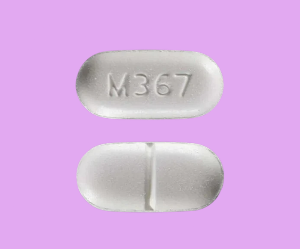
Hydrocodone M367 (Genuine)
Price range: $359.00 through $699.00Select options This product has multiple variants. The options may be chosen on the product page -
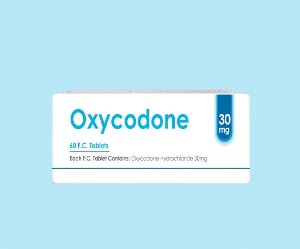
OxyContin 30 mg (Genuine)
Price range: $349.00 through $599.00Select options This product has multiple variants. The options may be chosen on the product page

Reviews
There are no reviews yet.