
Price range: $200.00 through $450.00
Cialis: Uses, Side Effects, and Safety Information
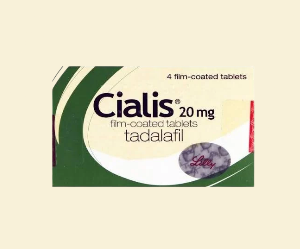
At Rx Shop USA, we believe that reliable medication information helps readers make informed decisions about their health. Cialis is a prescription medication containing tadalafil, which is used to treat erectile dysfunction (ED) and the urinary symptoms associated with benign prostatic hyperplasia (BPH). Under specific medical circumstances, tadalafil is also prescribed for pulmonary arterial hypertension under a different brand name and treatment regimen.
Cialis belongs to a class of medicines called phosphodiesterase type 5 (PDE5) inhibitors. It works by affecting blood-vessel relaxation and blood flow in particular parts of the body. Although tadalafil can be an effective treatment for suitable patients, it is not appropriate for everyone and may interact dangerously with certain medications.
This guide from Rx Shop USA explains how Cialis works, its approved medical uses, potential side effects, and important precautions for people considering or currently using tadalafil.
What Is Cialis?
Cialis is the brand name for tadalafil, a prescription medicine that affects an enzyme called phosphodiesterase type 5. By inhibiting this enzyme, tadalafil supports processes involved in smooth-muscle relaxation and blood flow.
The medication is commonly associated with erectile dysfunction treatment. It is also approved for signs and symptoms of benign prostatic hyperplasia, a condition in which the prostate gland becomes enlarged and may affect urination.
Unlike medicines that create sexual desire, Cialis does not directly increase libido. For erectile dysfunction, sexual stimulation is still necessary for the medication to help produce an erection.
For official drug information, consult the MedlinePlus Tadalafil Drug Information.
What Is Cialis Used For?
Healthcare professionals may prescribe tadalafil for several specific conditions, depending on the product, indication, and patient’s medical history.
Erectile Dysfunction
Erectile dysfunction is the persistent difficulty obtaining or maintaining an erection sufficient for sexual activity. It can be associated with cardiovascular conditions, diabetes, certain medications, psychological factors, or other health concerns.
Tadalafil helps improve blood flow to the penis in response to sexual stimulation. It does not cure every underlying cause of ED, and a healthcare professional may recommend evaluating contributing medical conditions.
Benign Prostatic Hyperplasia
Benign prostatic hyperplasia, or BPH, is a noncancerous enlargement of the prostate gland. It may cause urinary symptoms such as frequent urination, difficulty starting urination, a weak stream, or the sensation that the bladder has not emptied completely.
Tadalafil may help relieve certain urinary symptoms associated with BPH. A healthcare professional can determine whether it is appropriate based on the symptoms, medical history, and other treatments being used.
Pulmonary Arterial Hypertension
Tadalafil is also used to treat pulmonary arterial hypertension under the brand name Adcirca and other applicable product labeling. This is a separate medical indication requiring specialist assessment and a condition-specific treatment plan.
Cialis and pulmonary-hypertension treatment regimens should not be treated as interchangeable. Patients should use only the formulation and regimen prescribed for their condition.
Cialis Strengths and Dosage Information
Tadalafil is available in different tablet strengths, and the appropriate prescription depends on the condition being treated, individual response, other medications, and overall health.
For erectile dysfunction, healthcare professionals may prescribe an as-needed regimen or a once-daily regimen. Daily treatment may also be prescribed for BPH or for certain patients with both ED and BPH.
Important considerations include:
- Individual assessment: The prescriber determines the appropriate treatment plan.
- Kidney and liver function: Some medical conditions may require adjustments or make tadalafil unsuitable.
- Other medications: Certain medicines can alter tadalafil’s effects or cause dangerous interactions.
- Consistency: Patients should follow their specific prescription instructions rather than changing the frequency or amount independently.
Patients should not take additional doses to compensate for a missed dose or combine tadalafil with another ED medication unless specifically instructed by their healthcare professional.
Possible Side Effects of Cialis
Like other prescription medicines, Cialis can cause side effects. Many are mild, although some require medical attention.
Commonly reported side effects include:
- Headache
- Indigestion
- Back pain
- Muscle aches
- Facial flushing
- Nasal congestion
Back pain and muscle aches may occur after treatment and often resolve, but persistent or severe symptoms should be discussed with a healthcare professional.
Serious Side Effects
Rare but serious complications may include sudden vision changes, sudden hearing loss, severe allergic reactions, and priapism—a prolonged erection that may damage penile tissue.
An erection lasting four hours or longer requires emergency medical attention. Sudden loss of vision or hearing also requires immediate medical assessment.
Patients should seek emergency help for chest pain, fainting, or other severe symptoms, particularly if these occur during sexual activity.
Cialis Drug Interactions and Safety Precautions
Understanding medication interactions is essential before starting tadalafil.
Nitrates
Tadalafil must not be combined with nitrate medications, such as nitroglycerin, because the combination can cause a dangerous drop in blood pressure.
People who use nitrates for chest pain should tell their healthcare professional before considering Cialis.
If chest pain occurs after taking tadalafil, seek emergency assistance and inform medical personnel when the medication was taken. Do not self-administer nitrates.
Alpha-Blockers and Blood Pressure Medicines
Some alpha-blockers and blood-pressure-lowering medicines can increase the risk of low blood pressure when used with tadalafil. A prescriber should review the patient’s medication list and determine whether treatment is appropriate.
Alcohol
Excessive alcohol consumption can increase the risk of dizziness, headaches, and low blood pressure. Patients should discuss alcohol use with their healthcare professional and avoid excessive consumption.
Other ED Medications
Tadalafil should not be combined with other PDE5 inhibitors or erectile dysfunction treatments without medical guidance. Combining treatments may increase adverse effects without providing additional benefit.
For detailed precautions, consult the FDA’s Cialis prescribing information.
Who Should Consult a Healthcare Professional Before Using Cialis?
A medical assessment is especially important for people with cardiovascular disease, uncontrolled blood pressure, significant kidney or liver problems, or a history of certain eye conditions.
Patients should also disclose any previous prolonged erection, sudden vision loss, or hearing problems.
Because sexual activity may not be appropriate for some people with particular cardiovascular conditions, a healthcare professional should assess overall fitness and treatment suitability.
Erectile dysfunction can sometimes be associated with underlying health conditions, so evaluation may provide benefits beyond symptom management.
Frequently Asked Questions About Cialis
How does Cialis work?
Cialis contains tadalafil, a PDE5 inhibitor that supports blood flow by helping relax certain smooth muscles. For erectile dysfunction, sexual stimulation is necessary for the medicine to work.
How long can Cialis remain effective?
For erectile dysfunction, tadalafil may improve the ability to achieve an erection for up to 36 hours after a dose. This does not mean an erection lasts that long or that sexual activity is continuously supported.
Does Cialis increase sexual desire?
No. Tadalafil does not directly increase sexual desire. It helps address the physical mechanism involved in achieving and maintaining an erection.
Can Cialis treat an enlarged prostate?
Tadalafil is approved to help relieve certain urinary symptoms associated with benign prostatic hyperplasia. A healthcare professional should assess the cause of urinary symptoms before treatment.
Is Cialis safe for everyone?
No. Tadalafil can interact dangerously with nitrates and may be unsuitable for people with certain medical conditions. Individual assessment and prescription guidance are essential.
Why Rx Shop USA Emphasizes Medication Education
At Rx Shop USA, our goal is to make prescription medication information accessible, understandable, and useful. We aim to help readers understand medical terminology, identify important safety warnings, and find reliable resources for further learning.
Educational articles complement-but do not replace-personalized advice from qualified healthcare professionals. Patients should discuss symptoms, medication interactions, and treatment options with an appropriate clinician.
Conclusion
Cialis is a prescription medication containing tadalafil, used primarily for erectile dysfunction and certain urinary symptoms associated with benign prostatic hyperplasia. It can be beneficial for appropriate patients, but possible side effects, underlying medical conditions, and medication interactions must be considered.
Rx Shop USA encourages readers to seek reliable medical information, follow their prescription instructions, and consult a healthcare professional before starting or changing treatment.
Medical Disclaimer: This article is for educational purposes only and does not constitute medical advice, diagnosis, or treatment. Cialis should be used according to its approved prescribing information and under appropriate medical supervision.
| Quantity | 30 Pills, 90 Pills, 180 Pills |
|---|---|
| Shipping | UK to UK, US to US |
Related products
-

Viagra 100 mg
Price range: $250.00 through $450.00Select options This product has multiple variants. The options may be chosen on the product page

Reviews
There are no reviews yet.