
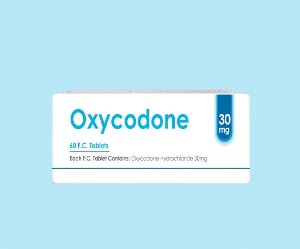
Price range: $349.00 through $599.00
OxyContin: Uses, Side Effects, and Safety Information
At Rx Shop USA, we believe reliable medication information helps readers understand prescription treatments and their potential risks. OxyContin is a brand-name prescription medication containing extended-release oxycodone, an opioid analgesic used for certain cases of severe, persistent pain when alternative treatment options are inadequate or unsuitable.
Unlike immediate-release pain medicines, OxyContin is formulated to release oxycodone over an extended period. This formulation requires particular care because misuse, inappropriate administration, or accidental exposure can result in life-threatening complications.
This guide explains what OxyContin is, how extended-release oxycodone works, its potential side effects, and the precautions patients should understand when discussing opioid treatment with a qualified healthcare professional.
What Is OxyContin?
OxyContin contains oxycodone hydrochloride in an extended-release formulation. Oxycodone acts on opioid receptors in the central nervous system, changing how the body perceives and responds to pain.
The extended-release formulation is designed to release medication gradually rather than all at once. It is intended for specific pain-management situations and is not interchangeable with immediate-release oxycodone on a milligram-for-milligram basis without professional guidance.
In the United States, OxyContin is a controlled prescription medication because oxycodone carries risks of misuse, addiction, physical dependence, respiratory depression, and overdose.
The suitability of this medication depends on the patient’s diagnosis, previous opioid exposure, medical history, and other medicines. A qualified healthcare professional must assess the potential benefits and risks before prescribing it.
For official medication information, consult DailyMed’s OxyContin drug labeling.
What Is OxyContin Used For?
OxyContin is intended for the management of severe, persistent pain in selected patients who require continuous opioid treatment when alternative options are inadequate.
Management of Severe Persistent Pain
Some medical conditions can cause ongoing pain that substantially affects mobility, sleep, and everyday activities. In selected cases, a healthcare professional may determine that extended-release opioid treatment is appropriate.
The decision should consider the underlying cause of pain, the expected benefits, other available therapies, and the risks associated with long-term opioid exposure.
Understanding Extended-Release Medication
Extended-release medicines have specific release characteristics that distinguish them from immediate-release products.
OxyContin must be taken according to its approved instructions. Crushing, chewing, or otherwise altering the tablets can cause oxycodone to be released too rapidly and may result in a potentially fatal overdose.
Patients should not switch between opioid formulations or change their prescribed regimen without professional guidance.
OxyContin Dosage and Administration Considerations
OxyContin dosing is individualized according to the patient’s clinical condition, previous opioid use, response to treatment, and risk factors.
There is no single regimen suitable for everyone. Opioid tolerance, other medications, and underlying health conditions can substantially affect safety.
Important considerations include:
- Individual assessment: A prescriber evaluates whether extended-release opioid treatment is appropriate.
- Product instructions: Patients should follow the instructions for their exact prescription.
- Formulation safety: Extended-release tablets must not be crushed or chewed.
- Drug interactions: Alcohol and certain sedating medicines can increase the risk of serious complications.
- Regular review: Continued treatment should be reassessed to determine whether benefits outweigh risks.
Patients should never take another person’s prescription, increase their prescribed amount independently, or share their medication.
Possible Side Effects of OxyContin
OxyContin may cause side effects that vary in severity from one person to another.
Commonly reported effects include:
- Constipation
- Nausea or vomiting
- Drowsiness
- Dizziness
- Headache
- Itching
Patients should avoid driving or operating machinery if they experience drowsiness, dizziness, or impaired concentration.
Serious Side Effects
The most significant risks include respiratory depression, severe sedation, low blood pressure, physical dependence, and overdose.
Warning signs of a possible opioid overdose include very slow or stopped breathing, inability to awaken, and unusual unresponsiveness.
If an overdose is suspected, call 911 in the United States, administer naloxone if available and appropriate, and follow emergency instructions. Do not wait for symptoms to improve without medical assistance.
OxyContin Drug Interactions and Safety Precautions
Understanding medication interactions is essential for anyone prescribed an opioid.
Alcohol
Alcohol can interfere with the safe use of extended-release oxycodone and increase the risk of dangerous medication release, sedation, breathing problems, and death. Patients must avoid alcohol while taking OxyContin.
Benzodiazepines and Other Sedatives
Combining oxycodone with benzodiazepines, such as diazepam or lorazepam, can cause profound sedation, respiratory depression, coma, or death. Other central nervous system depressants can also increase these risks.
Patients should disclose all prescription medications, nonprescription products, and supplements to their healthcare professional.
Existing Medical Conditions
People with breathing disorders, sleep apnea, liver or kidney problems, or a history of substance-use disorders should discuss their medical history with their prescriber.
Older adults may also be more susceptible to certain opioid-related adverse effects and require careful clinical assessment.
For additional information, consult the FDA’s opioid medication safety resources.
Physical Dependence, Addiction, and Withdrawal
OxyContin can cause physical dependence, especially with continued use. Physical dependence means that the body adapts to a medicine and withdrawal symptoms may occur when it is reduced or stopped.
Dependence is not identical to addiction, although opioid use disorder can develop. Taking medication differently from the prescription increases the risk of serious harm.
Withdrawal symptoms may include restlessness, sweating, muscle aches, anxiety, and gastrointestinal discomfort. Patients who have been taking opioids regularly should consult their healthcare professional before discontinuing treatment.
OxyContin should be stored securely and kept away from children and anyone for whom it was not prescribed. Unused medication should be disposed of through an authorized drug take-back program when possible.
Frequently Asked Questions About OxyContin
What is OxyContin?
OxyContin is a brand-name extended-release formulation of oxycodone used for certain cases of severe, persistent pain under medical supervision.
Is OxyContin different from immediate-release oxycodone?
Yes. OxyContin releases medication over an extended period, whereas immediate-release formulations have different release characteristics. They should not be substituted for one another without professional guidance.
Can OxyContin cause drowsiness?
Yes. Drowsiness, dizziness, and impaired alertness are possible. These effects may become more dangerous when oxycodone is combined with alcohol or other sedating substances.
Can OxyContin cause dependence?
Yes. Physical dependence and opioid use disorder are recognized risks. Treatment requires appropriate prescribing, monitoring, and professional guidance when medication changes are necessary.
What should someone do if an opioid overdose is suspected?
Call 911 immediately. Administer naloxone if available and appropriate, and follow emergency instructions. Opioid overdose can be fatal without prompt treatment.
Why Rx Shop USA Emphasizes Medication Education
At Rx Shop USA, our goal is to make prescription medication information clear, accessible, and useful. We aim to help readers understand medication formulations, potential side effects, and important safety warnings.
Our educational content is intended to complement—not replace—advice from qualified healthcare professionals. Patients should discuss their medical history, current medications, and treatment concerns with their prescriber.
Conclusion
OxyContin is an extended-release prescription opioid intended for selected cases of severe, persistent pain. Its formulation requires careful use because misuse, dangerous drug interactions, and respiratory depression can have life-threatening consequences.
Rx Shop USA encourages readers to consult reliable medical references, follow professional instructions, avoid alcohol, and seek emergency assistance when an overdose is suspected.
Medical Disclaimer: This article is for educational purposes only and does not constitute medical advice, diagnosis, or treatment. OxyContin should be used only under appropriate medical supervision and in accordance with applicable prescription requirements.
| Quantity | 90 Pills, 180 Pills |
|---|---|
| Shipping | UK to US, US to US |
Related products
-

Percocet 10/325 (Genuine)
Price range: $359.00 through $599.00Select options This product has multiple variants. The options may be chosen on the product page -
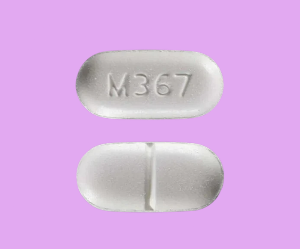
Hydrocodone M367 (Genuine)
Price range: $359.00 through $699.00Select options This product has multiple variants. The options may be chosen on the product page

Reviews
There are no reviews yet.