
Price range: $359.00 through $499.00
Zopiclone: Uses, Benefits, Side Effects, and Medication Safety
Introduction to Zopiclone
Sleep is essential for physical health, concentration, emotional well-being, and everyday functioning. However, insomnia can make it difficult to fall asleep, stay asleep, or obtain restorative rest. When sleep difficulties persist, a healthcare professional may assess the underlying causes and discuss appropriate treatment options.
Zopiclone is a prescription sleeping medicine used for the short-term treatment of insomnia in countries where it is approved. It belongs to a group of medicines commonly called Z-drugs, which act on brain signaling pathways involved in sleep.
Rx Shop USA recognizes the importance of providing clear, medically responsible information about prescription medicines. This guide covers what zopiclone is, how it works, its potential side effects, and precautions patients should understand before considering sleep medication.
What Is Zopiclone?
Zopiclone is a sedative-hypnotic medicine prescribed in certain countries to help adults experiencing significant sleep difficulties. It affects activity involving gamma-aminobutyric acid (GABA), a chemical messenger associated with calming activity in the central nervous system.
By enhancing these calming effects, zopiclone can help some patients fall asleep and remain asleep. Its suitability depends on the individual’s symptoms, medical history, other medications, and a healthcare professional’s assessment.
An important consideration for U.S. readers is that zopiclone and eszopiclone are related but distinct medicines. Eszopiclone is marketed in the United States as Lunesta. Patients should not assume that the two medicines have identical formulations, labeling, or dosing instructions.
For additional information, consult the NHS zopiclone medicine guide and the FDA’s information on prescription sleep medicines.
What Is Zopiclone Used For?
In countries where it is approved, zopiclone is generally used for short-term management of insomnia when sleep problems are sufficiently severe to affect daily life.
Insomnia can involve several patterns, including:
- Difficulty falling asleep at bedtime.
- Waking repeatedly during the night.
- Waking earlier than intended and struggling to return to sleep.
- Experiencing sleep difficulties that interfere with daytime activities.
Not every sleep problem requires medication. Factors such as stress, irregular sleeping schedules, caffeine consumption, underlying health conditions, and other medicines may contribute to insomnia.
A healthcare professional can help identify possible causes and determine whether behavioral treatment, changes to sleep habits, or a prescription medicine may be appropriate.
Potential Benefits and Treatment Limitations
When prescribed appropriately, zopiclone may help some patients obtain sleep during a period of significant insomnia. However, individual responses vary, and the medicine does not necessarily address the underlying cause of sleep difficulties.
Sleep medicines are generally not intended to replace long-term insomnia management. Cognitive behavioral therapy for insomnia (CBT-I), which addresses thoughts and behaviors affecting sleep, is an established treatment option that healthcare professionals may recommend.
Zopiclone is generally intended for short-term use because tolerance, dependence, and withdrawal symptoms can occur. Treatment duration and any plan to discontinue the medicine should be determined with a qualified healthcare professional.
Zopiclone Side Effects
Like other prescription medicines, zopiclone can cause side effects. Their likelihood and severity vary between individuals.
Commonly reported effects include:
- A bitter or metallic taste in the mouth.
- Dry mouth.
- Drowsiness or tiredness the following day.
- Dizziness or reduced alertness.
Some effects can interfere with concentration, coordination, driving, or operating machinery. Patients should follow their product’s official instructions and avoid activities requiring alertness when impaired.
More serious effects can include breathing difficulties, severe allergic reactions, unusual behavior while not fully awake, hallucinations, or significant changes in mood. Seek urgent medical attention if serious symptoms occur.
The NHS provides additional details in its official zopiclone safety guide.
Important Precautions and Drug Interactions
Zopiclone can interact with other substances that slow activity in the central nervous system. These interactions may increase sedation and, in some circumstances, cause dangerous breathing problems.
Important precautions include:
- Alcohol: Avoid alcohol while taking zopiclone because it can intensify sedative effects.
- Opioid medicines: Combining sleep medicines with opioid painkillers can increase the risk of profound sedation and respiratory depression.
- Other sedatives: Certain anxiety medicines, sleeping tablets, and sedating antihistamines may increase adverse effects.
- Driving: Do not drive or perform hazardous activities when drowsy or otherwise impaired.
- Dependence and withdrawal: Do not change or discontinue regular use without discussing an appropriate plan with your healthcare professional.
Anyone who has breathing problems, sleep apnea, liver disease, a history of substance dependence, or other significant medical conditions should discuss these factors with a prescriber before treatment.
Never use an unfamiliar medicine based solely on an online product description, and do not take medication prescribed to another person.
Medication Packaging and Storage
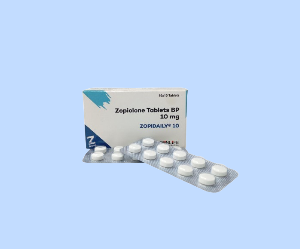
When examining a prescription medicine, verify the active ingredient, strength, formulation, manufacturer, expiry date, and batch information. Packaging details can vary by country, so the original product leaflet is important.
Keep medication in accordance with the manufacturer’s storage instructions and away from children and pets. Avoid using expired products or medicines with damaged packaging or an uncertain source.
Packaging alone does not establish authenticity or regulatory approval. A pharmacist can help verify product information if anything appears inconsistent.
Reliable Medical Resources for U.S. Readers
Readers researching insomnia treatments should rely on official regulatory information and qualified healthcare professionals.
Useful resources include:
- FDA: Taking Z-Drugs for Insomnia — Know the Risks
- DailyMed: U.S. Drug Label Information
- NHS: Zopiclone Uses and Safety
For further general information, visit the Rx Shop USA homepage or its shop page. Product listings and educational content should accurately reflect the medicine’s identity, applicable regulations, and prescription requirements.
Frequently Asked Questions
What is zopiclone used for?
Zopiclone is prescribed in certain countries for the short-term treatment of insomnia. A healthcare professional determines whether it is appropriate for an individual.
Is zopiclone the same as eszopiclone?
No. They are related but distinct medicines. Eszopiclone is marketed in the United States, while zopiclone is used in various other countries. They should not be considered interchangeable.
Can zopiclone cause side effects?
Yes. Possible effects include a bitter taste, dry mouth, dizziness, and next-day drowsiness. Serious reactions and complex behaviors while not fully awake can also occur.
Can zopiclone be taken with alcohol?
No. Alcohol can increase its sedative effects and raise the risk of dangerous adverse reactions.
Is zopiclone suitable for long-term use?
It is generally intended for short-term treatment because tolerance, dependence, and withdrawal can occur. Discuss persistent insomnia and longer-term treatment options with a healthcare professional.
Conclusion
Zopiclone is a prescription medicine used for short-term insomnia treatment in countries where it is approved. Understanding its potential benefits, side effects, interactions, and dependence risks is essential when evaluating sleep treatment options.
Rx Shop USA encourages readers to consult reliable medical sources and qualified healthcare professionals before making decisions about prescription medicines. Accurate product identification and responsible medication use are central to patient safety.
Medical disclaimer: This article is for educational purposes only and does not replace professional medical advice, diagnosis, or treatment. Always consult a qualified healthcare professional regarding insomnia and prescription medication.
| Quantity | 180 Pills, 360 Pills |
|---|---|
| Shipping | US to US |
Related products
-
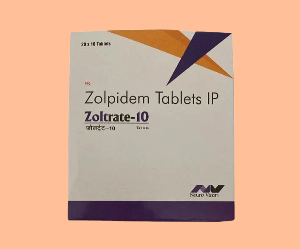
Zoltrate 10 mg Blister packs
Price range: $399.00 through $649.00Select options This product has multiple variants. The options may be chosen on the product page -

Belbien 10 mg
Price range: $399.00 through $649.00Select options This product has multiple variants. The options may be chosen on the product page

Reviews
There are no reviews yet.