
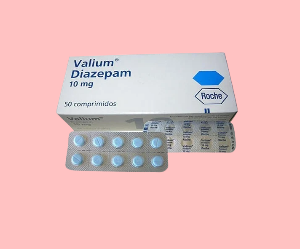
Price range: $349.00 through $699.00
Valium 10 mg blister packs discreet packaging UK to UK, UK to US, US to US
Valium 10 mg: Uses, Side Effects, Dosage Information, and Safety
Valium 10 mg is a prescription medication containing diazepam, a medicine belonging to the benzodiazepine class. Healthcare professionals may prescribe diazepam for certain conditions involving anxiety, muscle spasms, or other approved medical indications. It works by enhancing the effects of gamma-aminobutyric acid (GABA), a neurotransmitter that helps regulate activity in the central nervous system.
Although diazepam can provide therapeutic benefits when prescribed appropriately, it also carries important risks, including drowsiness, impaired coordination, physical dependence, and potentially dangerous interactions with other substances.
Rx Shop USA provides medication-related educational information to help readers understand prescription treatments and their safety considerations. This guide covers what Valium 10 mg is, its potential medical uses, possible side effects, and essential precautions.
What Is Valium 10 mg?
Valium is a brand name for diazepam, a benzodiazepine that acts on the central nervous system. The 10 mg strength refers to the amount of diazepam contained in a tablet.
Diazepam enhances the activity of GABA, which reduces excessive nerve activity and produces calming, muscle-relaxing, and sedative effects. Its specific effects depend on the medical condition being treated and individual patient factors.
In the United States, diazepam is classified as a Schedule IV controlled substance. It has recognized medical uses but also carries risks of misuse, addiction, and physical dependence.
The 10 mg strength is not appropriate for every patient or every condition. A qualified healthcare professional must determine whether diazepam is suitable based on the individual’s medical history, symptoms, other medications, and treatment needs.
For official medication information, consult the DailyMed diazepam drug labeling database.
What Is Valium Used For?
Diazepam has several established medical uses. The appropriate indication depends on the patient’s condition and a healthcare professional’s assessment.
Anxiety-Related Symptoms
Diazepam may be prescribed to manage certain anxiety symptoms when a clinician determines that treatment is appropriate. Anxiety can involve persistent worry, restlessness, muscle tension, and difficulty relaxing.
Treatment decisions should consider symptom severity, underlying causes, and alternative treatment options. Diazepam is not suitable for every person experiencing anxiety, and prolonged use requires careful reassessment.
Muscle Spasms
Diazepam may be used as an adjunctive treatment for certain skeletal muscle spasms. Its effects on the central nervous system can help reduce muscle tension in selected clinical situations.
The underlying cause of muscle spasms should be evaluated, particularly when symptoms are severe, persistent, or accompanied by weakness or other concerning signs.
Alcohol Withdrawal Management
Under medical supervision, diazepam may be used to manage selected symptoms associated with acute alcohol withdrawal. This condition can become life-threatening and may require monitored treatment.
People experiencing severe withdrawal symptoms should seek urgent medical care rather than attempting to manage the condition independently.
Seizure-Related Medical Care
Diazepam has specific medical uses in seizure management, including certain emergency situations. The appropriate formulation and treatment approach depend on the clinical circumstances. A standard tablet should not be assumed suitable for an emergency seizure.
For additional information, read MedlinePlus: Diazepam Drug Information.
Understanding Valium 10 mg Dosage
Diazepam dosage varies according to the condition being treated, age, overall health, response to treatment, and other medications.
The 10 mg tablet strength does not represent a universal dosing recommendation. Patients should follow their individual prescription and consult their prescriber or pharmacist if they have questions about administration.
Important considerations include:
- Individualized treatment: A healthcare professional determines the appropriate medication and regimen.
- Treatment duration: Continued use should be reviewed regularly because dependence can develop.
- Other medications: Sedatives and certain other medicines can increase adverse effects.
- Changes to treatment: Patients should not independently increase their dose or discontinue regular diazepam use abruptly.
After continued use, sudden discontinuation can cause withdrawal symptoms that may include severe anxiety, tremors, and seizures. A healthcare professional should develop an appropriate discontinuation plan when treatment is no longer needed.
Possible Side Effects of Valium 10 mg
Diazepam can cause side effects, and their severity varies from person to person.
Commonly reported effects include:
- Drowsiness or fatigue
- Dizziness
- Muscle weakness
- Impaired coordination
- Slower reaction time
- Difficulty concentrating
These effects can interfere with daily activities, driving, and operating machinery. Patients should avoid potentially hazardous activities if they feel drowsy or impaired.
More serious reactions may include severe confusion, extreme sedation, difficulty breathing, or reduced responsiveness. Seek emergency medical assistance if someone develops slow or difficult breathing, becomes unresponsive, or experiences another potentially life-threatening reaction.
Drug Interactions and Safety Precautions
Understanding medication interactions is essential when using diazepam.
Alcohol
Alcohol can intensify diazepam’s sedative effects. Combining them may cause excessive drowsiness, impaired judgment, reduced coordination, and potentially life-threatening breathing problems.
Patients should avoid alcohol while taking diazepam.
Opioids and Other Sedatives
Combining diazepam with opioids can increase the risk of profound sedation, respiratory depression, coma, and death. Other medicines that depress the central nervous system may also increase these risks.
Patients should disclose all prescription medicines, over-the-counter products, and supplements to their healthcare professional.
Driving and Operating Machinery
Diazepam can affect alertness, coordination, and judgment. Patients should not drive or operate machinery when impaired and should follow their clinician’s safety advice.
Pregnancy and Medical Conditions
People who are pregnant, planning pregnancy, or breastfeeding should discuss diazepam with a healthcare professional. Patients with breathing problems, sleep apnea, liver disease, or a history of substance-use problems should also disclose these conditions before treatment.
For further information, consult the FDA’s benzodiazepine safety communication.
Valium 10 mg and the Risk of Dependence
Physical dependence can develop when benzodiazepines are used regularly, even when taken according to a prescription. The risk generally increases with higher doses and longer treatment periods.
Physical dependence occurs when the body adapts to a medication. It is different from addiction, although misuse and addiction can also occur.
Possible withdrawal symptoms include anxiety, irritability, sleep disturbances, tremors, and, in severe cases, seizures. Abruptly stopping diazepam after continued use can be dangerous.
Patients should take the medication only as prescribed, never share it with others, and store it securely. Unused medication should be disposed of through an appropriate medication take-back program.
Frequently Asked Questions About Valium 10 mg
Is Valium 10 mg a prescription medication?
Yes. Valium contains diazepam, a prescription benzodiazepine classified as a Schedule IV controlled substance in the United States.
What conditions can Valium treat?
Depending on the clinical circumstances, diazepam may be prescribed for certain anxiety symptoms, muscle spasms, acute alcohol withdrawal management, and specific seizure-related indications.
Can Valium cause drowsiness?
Yes. Drowsiness, dizziness, weakness, and impaired coordination are possible side effects. Alcohol and other sedating substances can increase these risks.
Can Valium 10 mg cause dependence?
Yes. Regular use can lead to physical dependence, while misuse can increase the risk of addiction and other serious complications. Treatment should be medically supervised.
Is it safe to stop Valium suddenly?
Abruptly stopping diazepam after continued use may cause serious withdrawal symptoms, including seizures. Patients should consult their healthcare professional before making changes to treatment.
Final Thoughts
Valium 10 mg contains diazepam, a benzodiazepine with several established medical uses. When appropriately prescribed, it may help manage selected medical conditions. However, its potential for sedation, impaired coordination, dependence, withdrawal, and dangerous drug interactions makes responsible use essential.
Patients should follow their prescription instructions, avoid alcohol, disclose other medications, and seek professional advice about side effects or concerns.
About Rx Shop USA: Rx Shop USA aims to provide accessible medication-related educational information to help readers better understand prescription medicines and their safety considerations.
Medical Disclaimer: This article is for educational purposes only and is not a substitute for professional medical advice, diagnosis, or treatment. Diazepam should be used only under appropriate medical supervision and in accordance with applicable prescription requirements.
| Quantity | 90 Pills, 180 Pills |
|---|---|
| Shipping | UK to UK (Next Day), UK to US (7 to 8 Days), US to US (3 to 4 Days) |
Related products
-
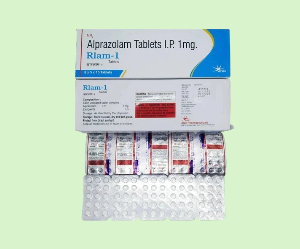
Xanax 1 mg Blister Packs
Price range: $250.00 through $499.00Select options This product has multiple variants. The options may be chosen on the product page -

Ativan 1 mg
Price range: $319.00 through $699.00Select options This product has multiple variants. The options may be chosen on the product page -

Ativan 2 mg
Price range: $399.00 through $799.00Select options This product has multiple variants. The options may be chosen on the product page -

Xanax Bars 2 mg (Genuine)
Price range: $299.00 through $599.00Select options This product has multiple variants. The options may be chosen on the product page

Reviews
There are no reviews yet.